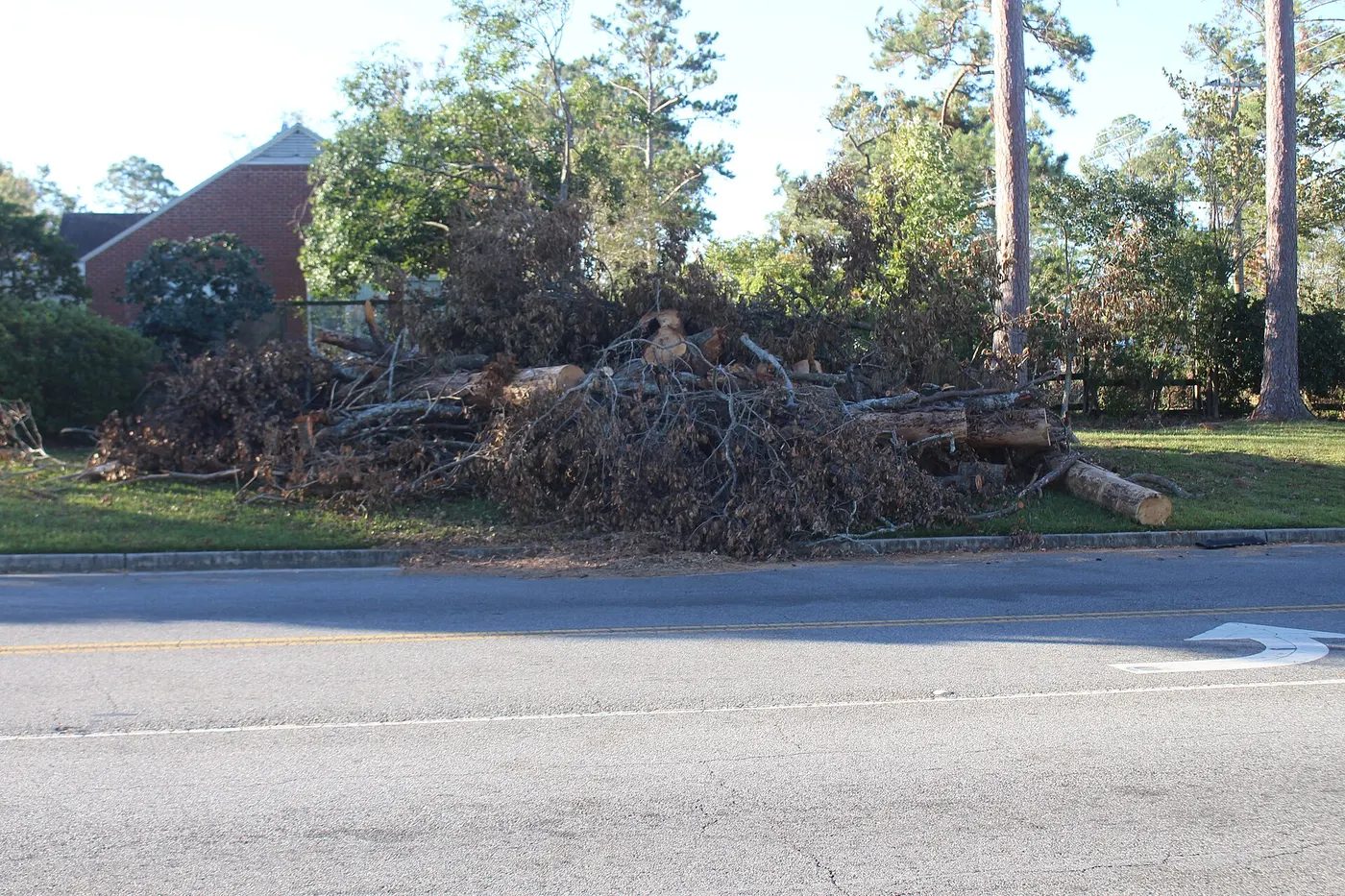
Owensboro sits on the Ohio River, and the weather here can turn a normal week into a cleanup project fast. River flooding, hailstorms, and high winds that bring down trees are all part of life in Daviess County. When a storm leaves a mess behind, a roll-off dumpster is one of the fastest ways to clear it, but safety and sorting come first. This guide walks through doing it right.
Before any cleanup begins, make sure the area is safe. Storms leave hazards that are not always obvious: downed power lines, weakened trees and limbs, damaged structures, and standing floodwater that may hide debris or contamination. If there is any danger from power lines, gas, structural damage, or rising water, contact emergency services and your utility before you start. No cleanup is worth a serious injury.
Once the site is confirmed safe, you can plan the debris removal.
The Ohio River has flooded Owensboro and the surrounding low-lying areas more than once, and high water leaves behind soaked, heavy debris along riverfront and bottomland properties. Hailstorms damage roofs and siding, which turns into tear-off and replacement debris. High winds bring down limbs and whole trees across yards and rural land. Each of these creates a different kind of cleanup, and the debris is often heavier and wetter than everyday junk.
That weight matters for sizing, which is why storm loads often need a smaller container than the volume would suggest.
Storm debris is usually a mix, so sort it as you clear. Keep these streams separate where you can: General debris: damaged furniture, drywall, flooring, and household items soaked or destroyed by the storm Yard and tree debris: limbs, branches, and brush from downed trees Roofing debris: shingles and decking from hail or wind damage Hazardous items: paint, chemicals, fuel, propane tanks, and electronics, which never go in the container Hazardous material stays out of the roll-off and goes to the proper local path, such as Daviess County Tox Away Day events. Keeping hazards separate protects you, the crew, and the landfill.
We prioritize storm cleanup. After major weather, demand runs high across the whole area, so call as soon as the site is safe and you know what you are clearing. Same-day delivery is available when you call early and the schedule allows, and storm jobs move toward the front of the line because they cannot wait. Give us your address, the type of debris, and a placement spot, and we will get a container to you as quickly as the route allows.
Storm and flood debris is heavy, especially when it is wet. Soaked carpet, waterlogged drywall, and rain-heavy brush all climb toward the weight limit fast, so a smaller container sized by weight often fits the job better than a large one. For mixed storm debris, tell us the breakdown and we will recommend a size that avoids an overage. Tarp the container if more rain is coming, since added water weight works against you.
We prioritize storm cleanup and deliver the same day when you call early and the schedule allows. After major weather, demand is high across the area, so call as soon as the site is safe. Give us your address, debris type, and placement spot, and we will get a container to you as quickly as the route allows.
We prioritize storm cleanup and deliver the same day when you call early and the schedule allows. After major weather, demand is high across the area, so call as soon as the site is safe. Give us your address, debris type, and placement spot, and we will get a container to you as quickly as the route allows.
Yes, general flood-damaged material like soaked furniture, drywall, and flooring can go in a roll-off. Keep hazardous items such as chemicals, fuel, and propane tanks out, since those need proper disposal. Flood debris is wet and heavy, so weight binds the container quickly. Tell us the load and we will size it to avoid an overage.
Make sure the area is safe before touching anything by watching for downed power lines, weak trees, damaged structures, and floodwater, and contact emergency services or your utility if there is any danger, then once the site is confirmed safe, sort the debris, keep hazardous items separate, and call us to schedule a container for the cleanup. After major weather, demand is high across the area, so call as soon as the site is safe. Give us your address, debris type, and placement spot, and we will get a container to you as quickly as the route allows. Yes, general flood-damaged material like soaked furniture, drywall, and flooring can go in a roll-off. Keep hazardous items such as chemicals, fuel, and propane tanks out, since those need proper disposal. Flood debris is wet and heavy, so weight binds the container quickly. Tell us the load and we will size it to avoid an overage. Make sure the area is safe before touching anything. Watch for downed power lines, weak trees, damaged structures, and floodwater, and contact emergency services or your utility if there is any danger. Once the site is confirmed safe, sort the debris, keep hazardous items separate, and call us to schedule a container for the cleanup.
Tell us the project and we will handle the container. Local service, same-day delivery when you call early, honest sizing, and the price we quote is the price you pay.
Call (270) 426-8055 Get a Quote
